
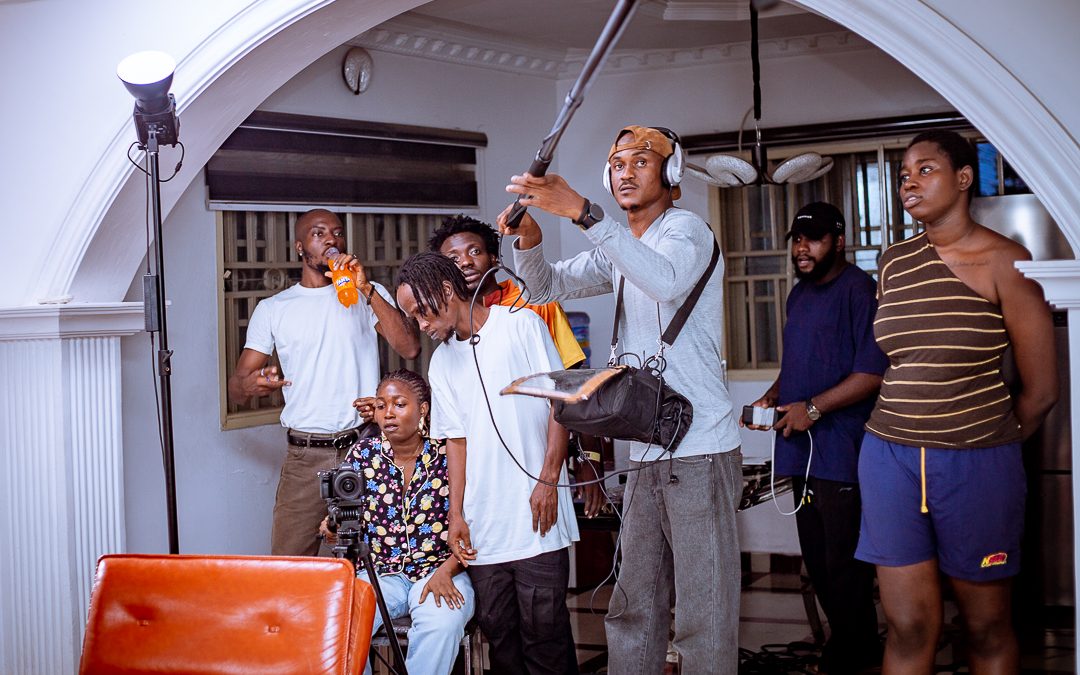
Meaningful Collaboration: A Gateway to Indie Filmmaking & Distribution
There is a persistent myth in indie filmmaking that success comes from individual brilliance—the idea of the lone creator who writes, directs, shoots, edits, and somehow distributes a film into relevance,
It sounds admirable. It is also one of the fastest ways to stall growth.
Short filmmaking, especially at the early stage, is not limited by talent. It is limited by capacity and capacity is built through collaboration.
Not just any collaboration, but meaningful collaboration.
Beyond “Working Together”: What Meaningful Collaboration Really Means
Collaboration in filmmaking is often reduced to assembling people to “help out.”
That approach produces effort, but rarely excellence.
Meaningful collaboration is different. It is:
- Strategic (each person contributes a defined value)
- Aligned (everyone understands the purpose of the project)
- Complementary (skills fill gaps, not duplicate effort)
It is not about having many people.
It is about having the right people, in the right roles, at the right time.
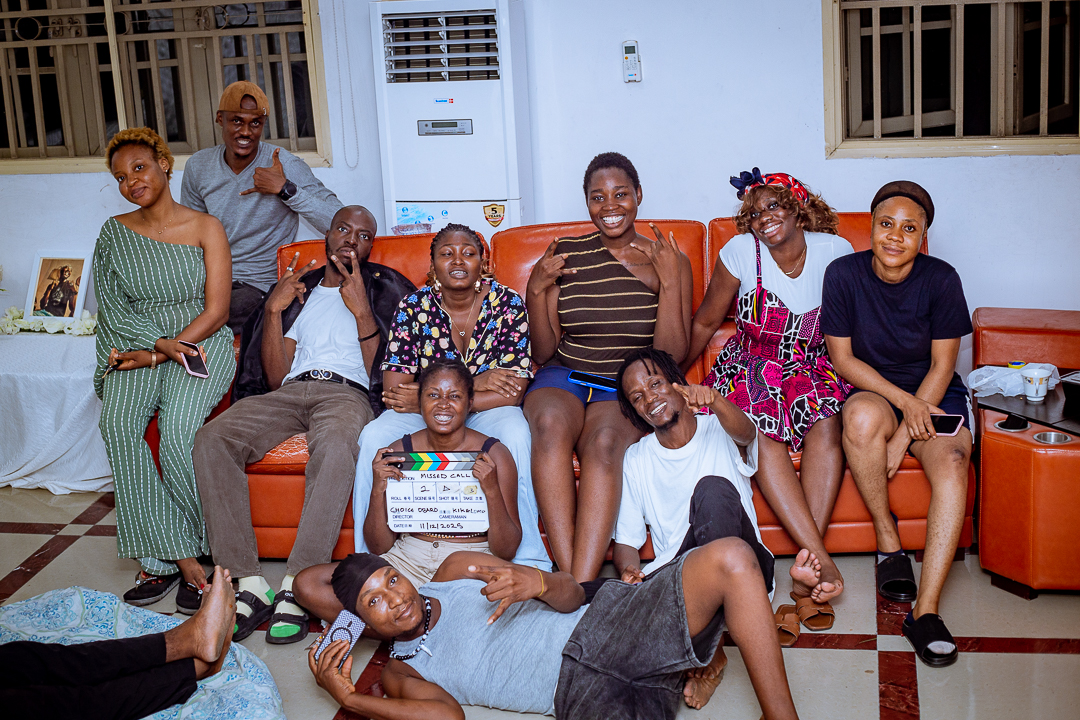
A short film set with ten unfocused contributors is weaker than one with three highly aligned collaborators.
The Indie Reality: Why Collaboration Is Not Optional
Indie filmmakers operate within constraints:
- Limited budgets
- Limited access to equipment
- Limited industry connections
- Limited distribution leverage
Attempting to overcome all of these individually creates bottlenecks.
For example:
- A strong director without a marketing mind struggles at distribution
- A good editor without story direction cannot elevate weak footage
- A filmmaker without network access struggles to position their film
Collaboration removes these bottlenecks.
It allows:
- Skills to compound
- Resources to be shared
- Opportunities to multiply
In practical terms, collaboration is not support it is infrastructure.
From Production to Distribution: Where Collaboration Matters Most
Many filmmakers collaborate during production but isolate during distribution.
That is a critical mistake.
Distribution is where collaboration becomes even more valuable.
1. Development Stage
- Writers, researchers, and creative partners refine the idea
- Early collaborators help define audience and positioning
2. Production Stage
- Cinematographers, sound designers, and production teams shape the film’s quality
- Efficiency and creative depth are increased
3. Post-Production
- Editors and colorists bring cohesion
- Sound and music elevate emotional impact
4. Distribution Stage
This is where collaboration is often weakest and most needed.
Key collaborators here include:
- Marketers
- Community builders
- Event organizers
- PR strategists
A film that is brilliantly made but poorly distributed is functionally invisible.
Collaboration as a Distribution Strategy
For short films, collaboration is not just about making the film it is about moving the film.
Every collaborator represents:
- A network
- An audience segment
- A potential distribution channel
A well-collaborated project benefits from:
- Multiple points of visibility
- Organic promotion across networks
- Increased credibility
For example:
- A collaborator connected to campus communities opens screening opportunities
- A media-savvy partner amplifies online reach
- A cultural organization partner enables community screenings
Distribution becomes less about pushing content outward and more about activating networks inward.
The Shift from Transactional to Meaningful Collaboration
Many indie collaborations fail because they are transactional:
- “Help on this project”
- “Work for exposure”
- “Join the team” without clarity
These approaches create:
- Low commitment
- Misaligned expectations
- Weak long-term relationships
Meaningful collaboration is built differently:
- Clear roles and contributions
- Shared ownership or defined benefits
- Mutual respect for time and skill
It answers a critical question for every collaborator:
“What value is gained by being part of this?”
Without that clarity, collaboration becomes fragile.
Trust, Not Just Talent
Skill is important. Trust is essential.
A highly skilled collaborator who lacks reliability can disrupt an entire project.
Meaningful collaboration prioritizes:
- Accountability
- Communication
- Consistency
Especially in indie filmmaking where resources are limited—trust reduces friction and increases efficiency.
A trusted team moves faster, solves problems quicker, and sustains momentum.
Long-Term Leverage: Building a Creative Ecosystem
One of the most overlooked advantages of collaboration is continuity.
A single short film should not be viewed as a standalone effort. It is part of a larger trajectory.
Strong collaborations evolve into:
- Creative partnerships
- Production teams
- Distribution networks
Over time, this becomes a self-sustaining ecosystem where:
- Each project feeds the next
- Each collaborator brings recurring value
- Each release expands reach
This is how indie filmmakers transition from isolated projects to consistent output.
The Cost of Isolation
Choosing to work in isolation may seem efficient in the short term.
In reality, it leads to:
- Creative limitations
- Slower production cycles
- Weak distribution outcomes
- Burnout
More critically, it delays growth.
Because growth in filmmaking is not just about improving craft—it is about expanding reach, relationships, and opportunity.
All of which are accelerated through collaboration.
A Practical Framework for Meaningful Collaboration
To build effective collaborations, three principles are essential:
1. Clarity
Define:
- Roles
- Expectations
- Outcomes
Ambiguity weakens collaboration.
2. Value Exchange
Ensure every collaborator benefits:
- Skill development
- Financial return
- Visibility
- Network access
Unbalanced collaborations do not last.
3. Continuity
Think beyond one project:
- Maintain relationships
- Build repeat partnerships
- Grow together
Sustainable collaboration compounds over time.
Final Thought: Collaboration as a Gateway
Indie filmmaking is often framed as a struggle for access—access to funding, platforms, and audiences.
Collaboration reframes that struggle.
It becomes:
- Access to skills
- Access to networks
- Access to opportunities
Meaningful collaboration does not remove challenges.
It redistributes them across a system that is stronger, more resilient, and more capable.
The gateway into sustainable indie filmmaking and effective distribution is not individual effort.
It is collective alignment.
Because in a landscape where visibility is competitive and resources are limited,
the filmmakers who move forward are rarely the ones who work alone they are the ones who build with intention, and move with others.