
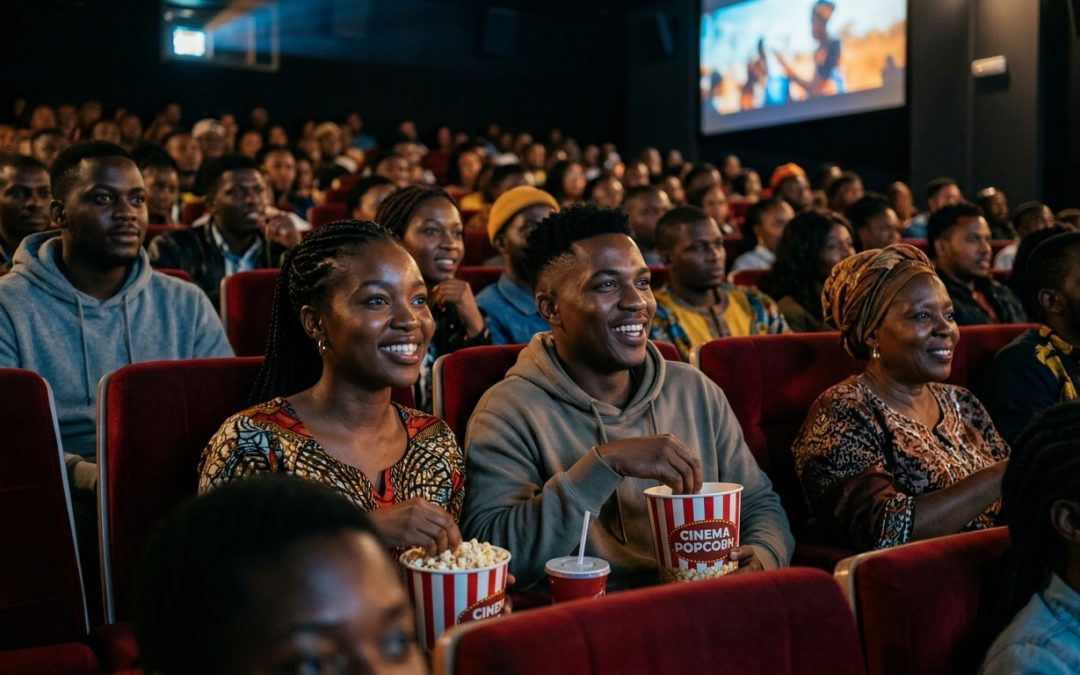
Your Short Film Is Not the Product — Your Audience Is
For years, filmmakers were taught to believe that the film itself was the final goal.
Write it.
Shoot it.
Edit it.
Release it.
Then move on to the next project. But modern independent filmmaking no longer works that way.
Today, the most valuable asset a filmmaker can build is not a short film.
It is an audience.
Because while films come and go, audiences compound.
A single project may create temporary attention, but a connected audience creates long-term sustainability.
And this is where many young filmmakers misunderstand the industry.
They spend years perfecting a film without realizing that the real infrastructure of a filmmaking career is built around people not just content.
The Industry Has Changed
The traditional film industry operated on scarcity.
Access to audiences was controlled by:
- Cinemas
- Television networks
- Distributors
- Gatekeepers
Today, digital platforms have removed many of those barriers. Films can now reach audiences directly through online releases, community screenings, and self-distribution.
But while access increased, another problem emerged:
Attention became oversaturated.
Thousands of films are released constantly.
Most disappear almost immediately.
Not because they are bad but because they are unsupported by an audience system.
Why Most Short Films Fade Quickly
The lifespan of many short films looks the same:
- Teaser release
- Trailer drop
- Festival submissions
- Online upload
- Silence
The film exists briefly, then fades.
This happens because the release was designed around the film not around sustained audience engagement.
A film without an audience strategy becomes temporary content.
And temporary content rarely creates lasting careers.
Audience Is the Real Infrastructure
An audience is more than a group of viewers.
It is:
- Attention
- Trust
- Community
- Reach
- Long-term leverage
A filmmaker with a strong audience possesses something far more valuable than occasional visibility:
He Posses Direct access to people who already care.
That changes everything.
Because once attention becomes repeatable, dependence on gatekeepers decreases.
From Viewers to Community
A viewer watches once but a community returns repeatedly.
Communities:
- Share the work
- Engage in conversations
- Support future releases
- Grow with the filmmaker over time
This is the difference between exposure and sustainability.
One creates temporary attention.
The other creates momentum.
Short Films Should Build Audiences
A short film should not only function as:
- A portfolio piece
- A festival submission
- A creative experiment
It should also function as:
An audience-building tool.
Every release should answer:
- Who is this attracting?
- What conversation is this creating?
- How can this relationship continue after the film ends?
This transforms filmmaking from isolated production into ecosystem building.
Why Audience Ownership Matters
One of the biggest mistakes filmmakers make is confusing visibility with ownership.
A filmmaker may have:
- Viral clips
- High engagement
- Thousands of views
But still possess no real audience ownership.
Why?
Because platforms own the relationship.
Algorithms control visibility.
Reach fluctuates constantly.
Owned audience is different.
Owned audience includes:
- Email lists
- Direct communities
- Returning supporters
- Consistent engagement outside algorithms
This is the difference between borrowed attention and controlled access.
Connection Matters More Than Scale
Large studios can spend heavily to manufacture visibility.
Independent filmmakers rarely have that advantage.
Which means survival depends less on scale and more on connection.
A filmmaker with: 2,000 deeply engaged supporters can outperform someone with 100,000 passive viewers
Because engaged audiences convert more effectively:
- At screenings
- Through crowdfunding
- During releases
- Across future projects
Audience depth matters more than audience size.
My Final Thought:
The Film Ends. The Audience Remains. A short film may last 10 or 20 minutes. But the audience relationship can continue for years.
That is the real asset.
Not just the project itself, but the people who remain connected after experiencing it.
The filmmakers who endure are no longer simply building films.
They are building ecosystems around:
- Attention
- Trust
- Community
- Consistency
Because in a crowded industry, the greatest long-term advantage is not just creating work—
it is building an audience that keeps coming back for it.