
Why Short Filmmakers Must Embrace Self-Distribution And Build Their Own Audience
There is a quiet reality shaping the future of filmmaking the one that is rarely discussed openly, but increasingly impossible to ignore.
Not a failure of talent.
Not a lack of ambition.
But a gap between creation and connection.
A film can be ready.
Complete.
Powerful.
And still struggle to reach the audience it was made for when Timing Shapes Everything.
Recent conversations within the Nigerian film space have highlighted something important not as criticism, but as insight.
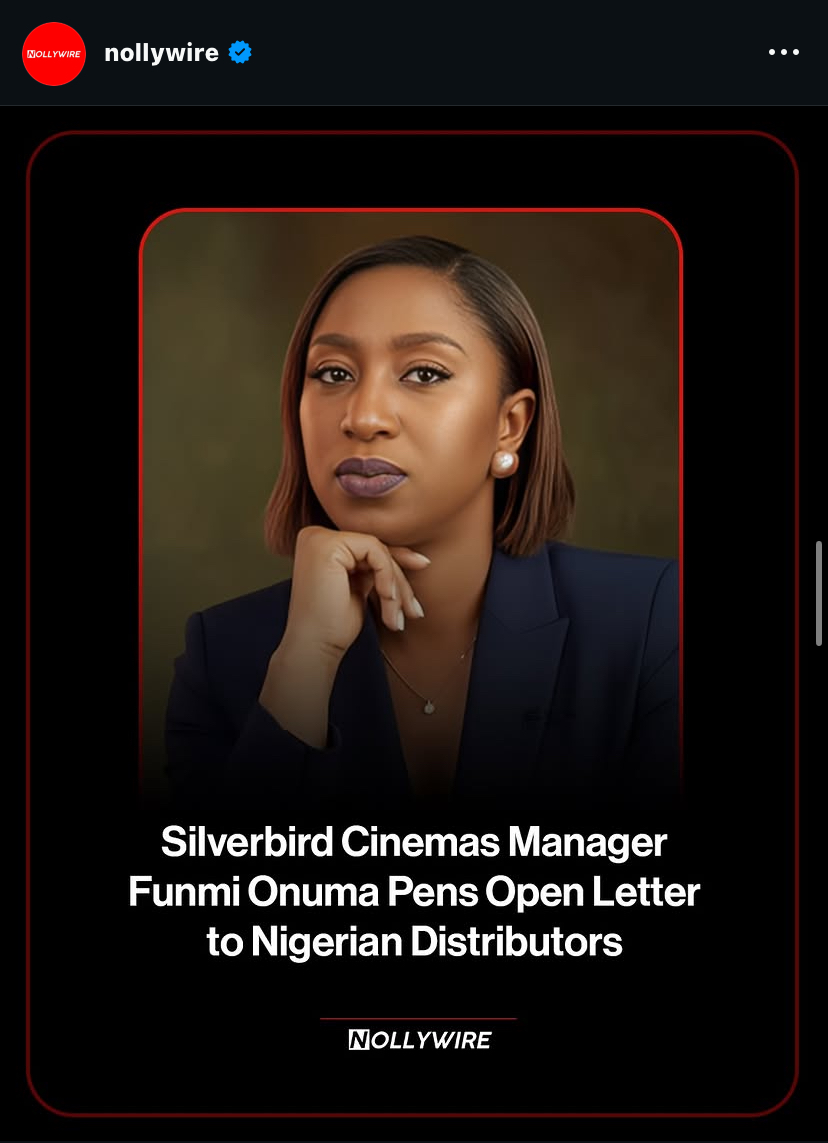
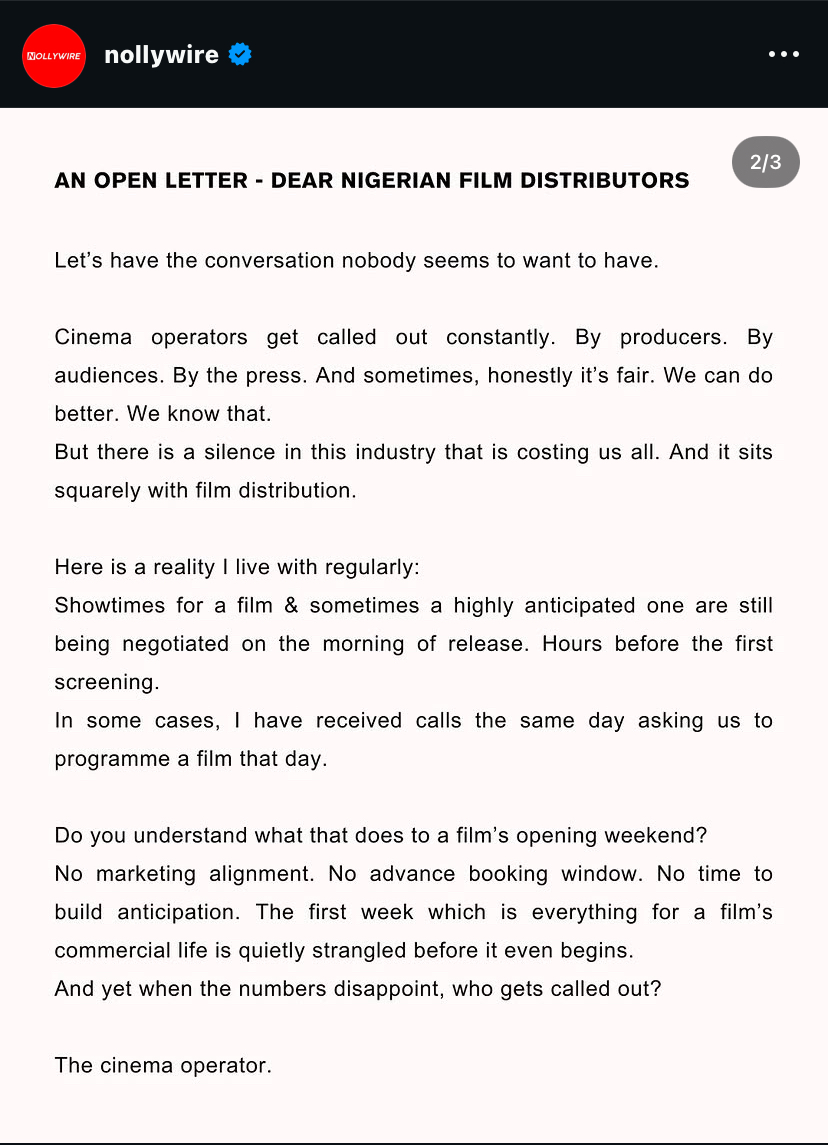
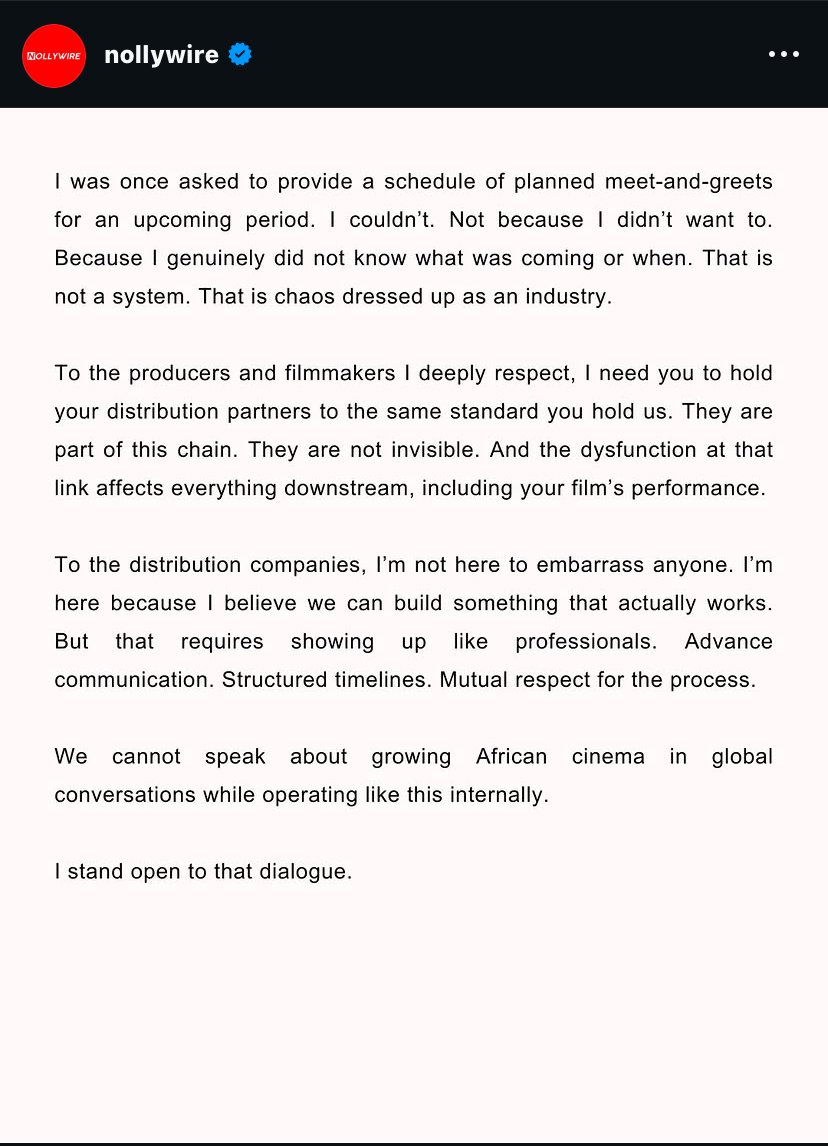
That the window between a film being ready and a film being seen is more fragile than it appears.
When timelines are compressed:
- marketing loses momentum
- anticipation cannot build
- audiences are not prepared
- opening performance is affected
And in cinema, the opening moment carries weight.
It shapes perception.
It influences longevity.
It determines whether a film expands or disappears.
This is not about fault. It is about structure.
Why Self-Distribution Is Becoming Essential
Self-distribution is not about stepping away from existing systems.
It is about strengthening the filmmaker’s position within them.
It allows filmmakers to:
- define their timelines
- build awareness early
- engage audiences before release
- create momentum intentionally
Instead of reacting to release conditions, filmmakers begin to design them.
That shift is subtle but powerful.
YOUR FILM NEEDS AN AUDIENCE BEFORE IN NEEDS SCREEN
One of the most overlooked truths in filmmaking is this:
A film without an audience is not incomplete, IT IS DISCONNECTED
Screens do not create demand. Audiences do.
And in today’s landscape, audiences are no longer waiting to be introduced to films.
They are already gathered:
- on social platforms
- in communities
- within conversations
- around identities and shared experiences
The filmmakers who understand this early move differently.
They don’t wait for visibility. They build familiarity.
From Release Day to Release Journey.
Traditional thinking places all emphasis on one moment: Release day.
But modern filmmaking stretches that moment into a journey:
- before the film is shot
- during production
- throughout post-production
- leading into release
- and continuing long after
This journey is where audience connection is built.
Self-distribution allows filmmakers to shape that journey with intention.
Building an Audience Is Not Promotion, It Is Infrastructure. Many filmmakers see audience-building as marketing.
It is not.
It is infrastructure.
An audience represents:
- trust
- attention
- recognition
- continuity
It means that each film does not start from zero.
It means:
- anticipation exists before release
- engagement exists during release
- support continues after release
Without this, every film fights for visibility alone.
Control Creates Clarity
One of the strongest advantages of self-distribution is clarity.
Clear timelines.
Clear messaging.
Clear audience targeting.
Instead of navigating uncertainty, filmmakers can:
- plan strategically
- align marketing efforts
- build momentum gradually
This does not replace collaboration with distributors or cinemas.
It enhances it.
Because a film that arrives with:
- an engaged audience
- a clear identity
- and existing momentum
is easier to position, easier to promote, and stronger in performance.
The Rise of the Prepared Filmmaker
The industry is evolving toward a different kind of filmmaker. Not just a creator.
But someone who understands:
- audience psychology
- storytelling beyond the screen
- brand identity
- community building
- distribution strategy
This is not an added responsibility.
It is a necessary evolution. A Stronger Entry into the System
Self-distribution does not isolate filmmakers from the industry.
It prepares them for it.
When filmmakers:
- build their audience
- define their positioning
- create anticipation
they enter the system with leverage.
Conversations change.
Opportunities expand.
Decisions become more intentional.
Connection Before Exposure
A film can exist without being seen.
But it cannot grow without connection.
The future of short filmmaking will not be shaped only by the films that are made but by the relationships built around them.
Self-distribution is not simply a method of release.
It is a way of thinking.
A way of ensuring that when a film is finally ready to meet the world—
the world is already waiting.